How to Verify a Texas Security Company Is Properly Licensed
Hiring a security company without verifying licensing, insurance, and compliance can expose your business to significant liability. Learn how Texas businesses can verify that a security provider is properly licensed and operating in compliance with Texas Department of Public Safety requirements.
Shield Spire Security LLC
Shield Spire Security
How to Verify a Texas Security Company Is Properly Licensed
Hiring a security company is an important decision that directly impacts the safety of your employees, customers, tenants, and property. Before signing a contract, Texas businesses should verify that a security provider is properly licensed, insured, and operating in compliance with state regulations.
Failure to perform proper due diligence can expose organizations to liability, service disruptions, and regulatory issues.
Why Licensing Matters
Texas regulates private security companies through the Texas Department of Public Safety (DPS) Private Security Program. Security companies operating in Texas must maintain active licensing and comply with state requirements governing training, supervision, insurance, and business operations.
Working with an unlicensed provider can create unnecessary legal and operational risks.
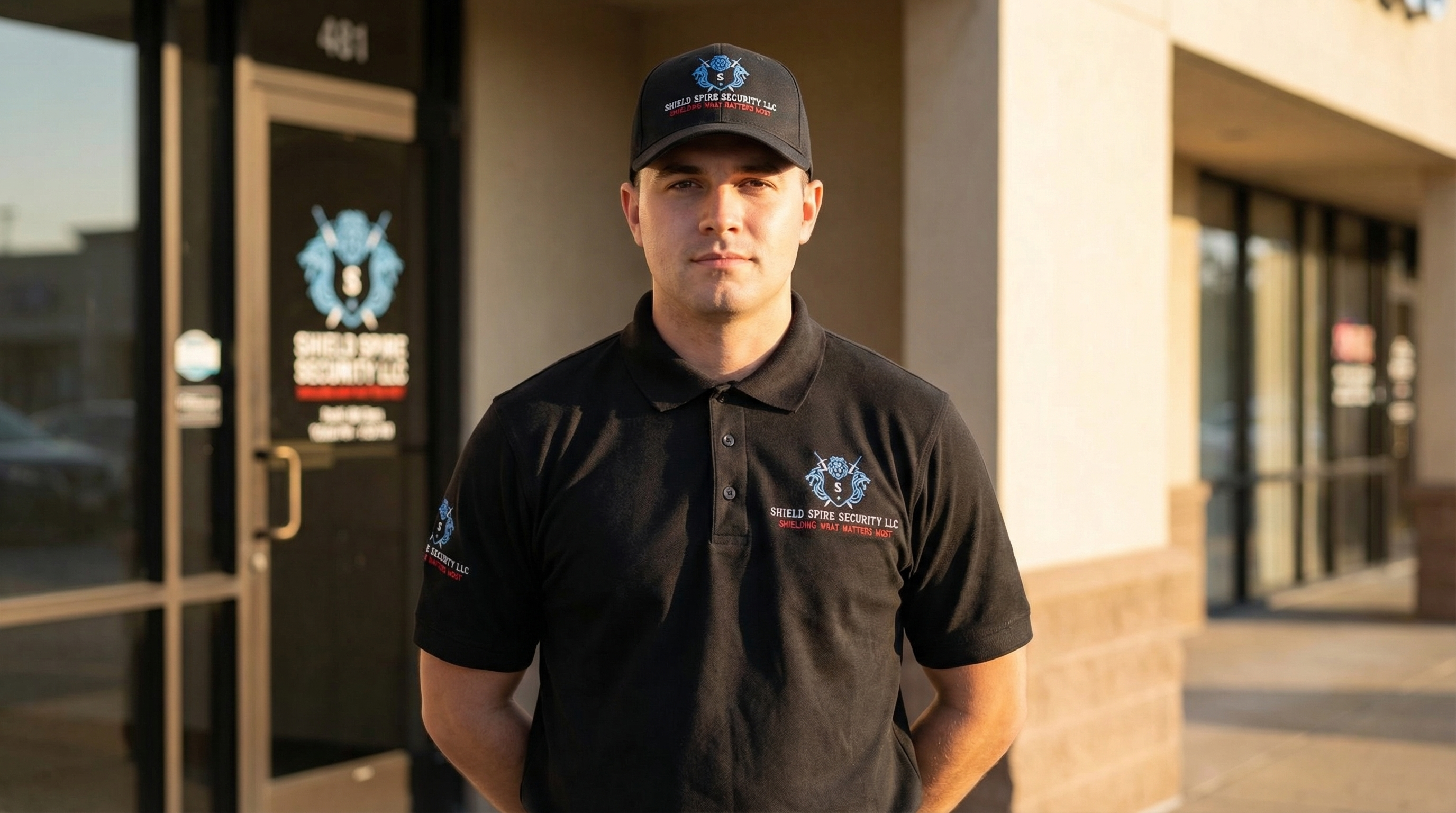
Businesses should verify licensing, insurance, and officer qualifications before hiring a security provider.
Step 1: Verify the Company's Texas DPS License
Every security company operating in Texas should hold an active Private Security Business License issued by the Texas Department of Public Safety.
Before hiring a provider, request:
- Company license number
- Business legal name
- Physical business address
- Proof of active licensing
Businesses should independently verify this information through Texas DPS records.
Red Flags
Watch for companies that:
- Refuse to provide licensing information
- Cannot provide proof of insurance
- Avoid written agreements
- Use vague company information
- Operate without a physical business presence
Step 2: Confirm Insurance Coverage
A professional security provider should maintain adequate insurance coverage.
Request proof of:
- General Liability Insurance
- Workers' Compensation Coverage
- Commercial Auto Coverage (for patrol operations)
Insurance helps protect both the client and security provider in the event of incidents, claims, or property damage.
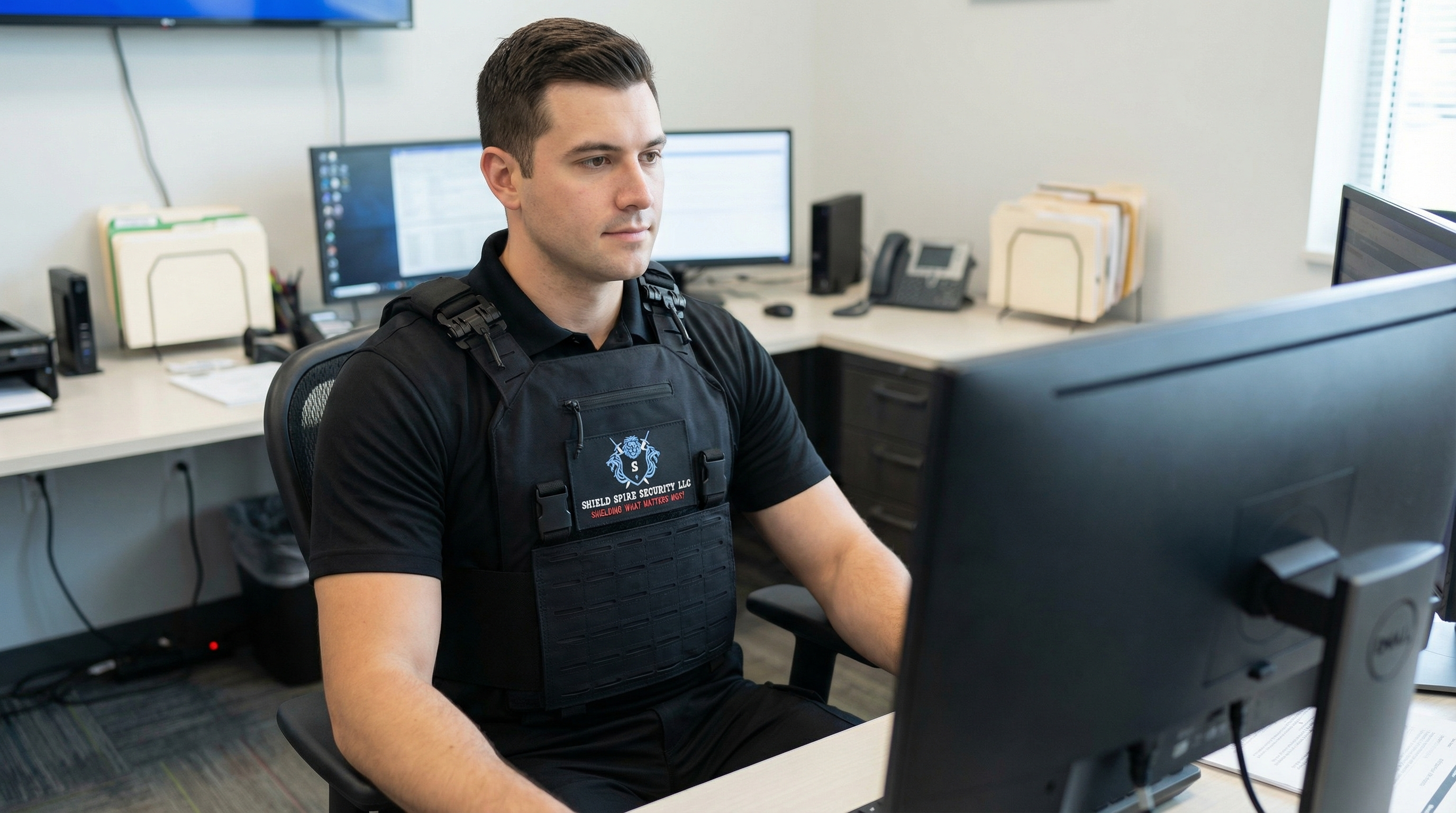
Professional security companies maintain proper insurance coverage and documented compliance procedures.
Step 3: Verify Officer Licensing
Security officers in Texas must hold the appropriate licenses for their assigned duties.
Level II Security Officers
Unarmed security officers performing:
- Access control
- Foot patrols
- Customer service
- General site security
Level III Security Officers
Commissioned security officers authorized to carry firearms while on duty.
Businesses should verify that assigned personnel possess valid credentials appropriate for their responsibilities.
Step 4: Review Experience and References
Ask potential providers about:
- Similar projects completed
- Industries served
- Years of operational experience
- Client references
- Incident reporting procedures
Qualified providers should be able to demonstrate relevant experience and professional standards.
Examples may include:
- Corporate office security
- Construction site security
- Apartment communities
- Event security
- Mobile patrol services
- Executive protection assignments
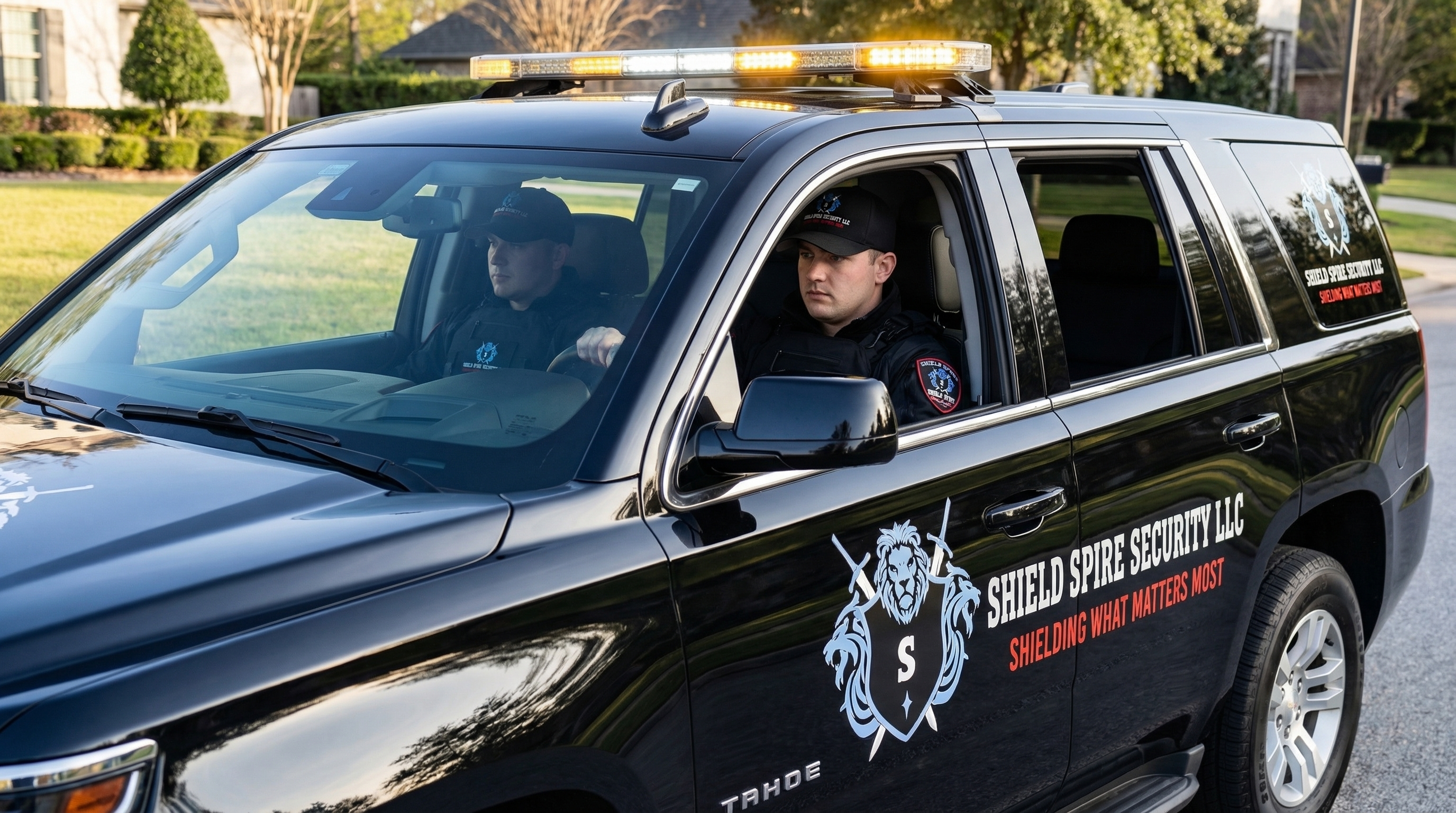
Experience across multiple industries and property types is an important factor when evaluating security providers.
Step 5: Evaluate Operational Readiness
A professional security company should have documented procedures for:
- Incident reporting
- Emergency response
- Officer supervision
- Shift coverage
- Client communication
- Escalation procedures
Strong operational systems often indicate a reliable long-term security partner.
Questions Every Business Should Ask
Before hiring a security provider, ask:
- Are you licensed through Texas DPS?
- Can you provide proof of insurance?
- What training do your officers receive?
- How do you handle emergencies?
- What industries do you specialize in?
- Can you provide references from similar clients?
- How are incidents documented and reported?
- What is your officer replacement process if coverage is needed?
Final Thoughts
Selecting the right security company involves more than comparing hourly rates. Businesses should verify licensing, insurance, officer qualifications, and operational capabilities before making a decision.
Performing these checks helps ensure that your organization receives professional security services from a qualified and compliant provider.
Businesses that take the time to evaluate potential providers carefully are more likely to receive consistent, professional, and compliant security services.
About Shield Spire Security LLC
Shield Spire Security LLC provides licensed security services throughout Texas, including corporate security, construction site security, mobile patrol services, event security, executive protection, and emergency security coverage.
To discuss security requirements for your property or organization, contact our team for a consultation.
Key Takeaways
This article provides comprehensive insights into industry guides practices. For customized security solutions tailored to your specific needs, contact our team of experts.
Related Articles
Construction Site Theft Prevention in Texas (2026 Guide)
Construction site theft costs Texas contractors millions of dollars every year. Learn practical strategies for preventing equipment theft, material loss, vandalism, and unauthorized access on construction projects.
Read MoreUnderstanding Security Guard Licensing in Texas: Complete 2026 Guide
A practical guide to Texas security guard licensing requirements, Level II, Level III, and Level IV certifications, company compliance obligations, and how businesses can verify that their security provider meets DPS regulations.
Read MoreReady to Enhance Your Security?
Contact us today for a free consultation and quote on professional security services.