Understanding Security Guard Licensing in Texas: Complete 2026 Guide
A practical guide to Texas security guard licensing requirements, Level II, Level III, and Level IV certifications, company compliance obligations, and how businesses can verify that their security provider meets DPS regulations.
Shield Spire Security LLC
Shield Spire Security
Understanding Security Guard Licensing in Texas: Complete 2026 Guide
Many businesses hire security services without fully understanding how Texas security licensing works. While security officers are often the most visible part of a security program, licensing and compliance requirements behind the scenes play a critical role in protecting clients, employees, customers, and property.
One of the most common mistakes business owners make is assuming that every security officer or security company operates under the same standards. In reality, Texas maintains one of the most structured private security regulatory systems in the country through the Texas Department of Public Safety (DPS) Private Security Program.
Whether you are considering security services for a commercial property, construction site, apartment community, event venue, or executive protection assignment, understanding licensing requirements can help you make informed decisions and avoid unnecessary liability.
In this guide, we explain the different security license levels in Texas, company licensing requirements, common compliance mistakes, and how businesses can verify that they are working with a legitimate security provider.

Licensed security personnel operating under Texas Department of Public Safety regulations.
Why Texas Security Licensing Matters
Security officers frequently interact with the public, respond to incidents, protect assets, and assist during emergencies. Because of these responsibilities, Texas requires both security companies and individual officers to meet specific licensing standards.
Hiring properly licensed security personnel provides several benefits:
- Compliance with Texas regulations
- Improved professionalism and accountability
- Better insurance and risk management
- Higher training standards
- Greater client confidence
Businesses that fail to verify licensing may expose themselves to unnecessary legal and financial risks if an incident occurs.
Businesses should always verify both the security company license and the individual officer's registration before deployment.
Understanding Texas Security License Levels
Not all security officers perform the same duties. Texas uses several licensing categories depending on the officer's responsibilities and training.
Level II Security Officer
Level II officers are non-commissioned security personnel who perform unarmed security duties.
Common responsibilities include:
- Access control
- Patrol services
- Observation and reporting
- Customer assistance
- Property monitoring
Level II officers are commonly deployed at commercial properties, residential communities, office buildings, hotels, retail locations, and construction sites.
Level III Security Officer
Level III officers are commissioned security officers authorized to carry a firearm while on duty.
In addition to Level II responsibilities, Level III officers receive specialized firearms training, qualification, and additional legal instruction.
Level III officers are often assigned to:
- High-risk properties
- Armed access control posts
- Financial institutions
- Critical infrastructure
- Certain event security assignments
Level IV Personal Protection Officer
Level IV Personal Protection Officers (PPOs) represent the highest level of private security licensing in Texas.
These officers receive advanced training related to:
- Executive protection
- Threat assessment
- Protective operations
- Client movement planning
- High-profile security assignments
Level IV officers are commonly utilized for executive protection, dignitary protection, and specialized security details.
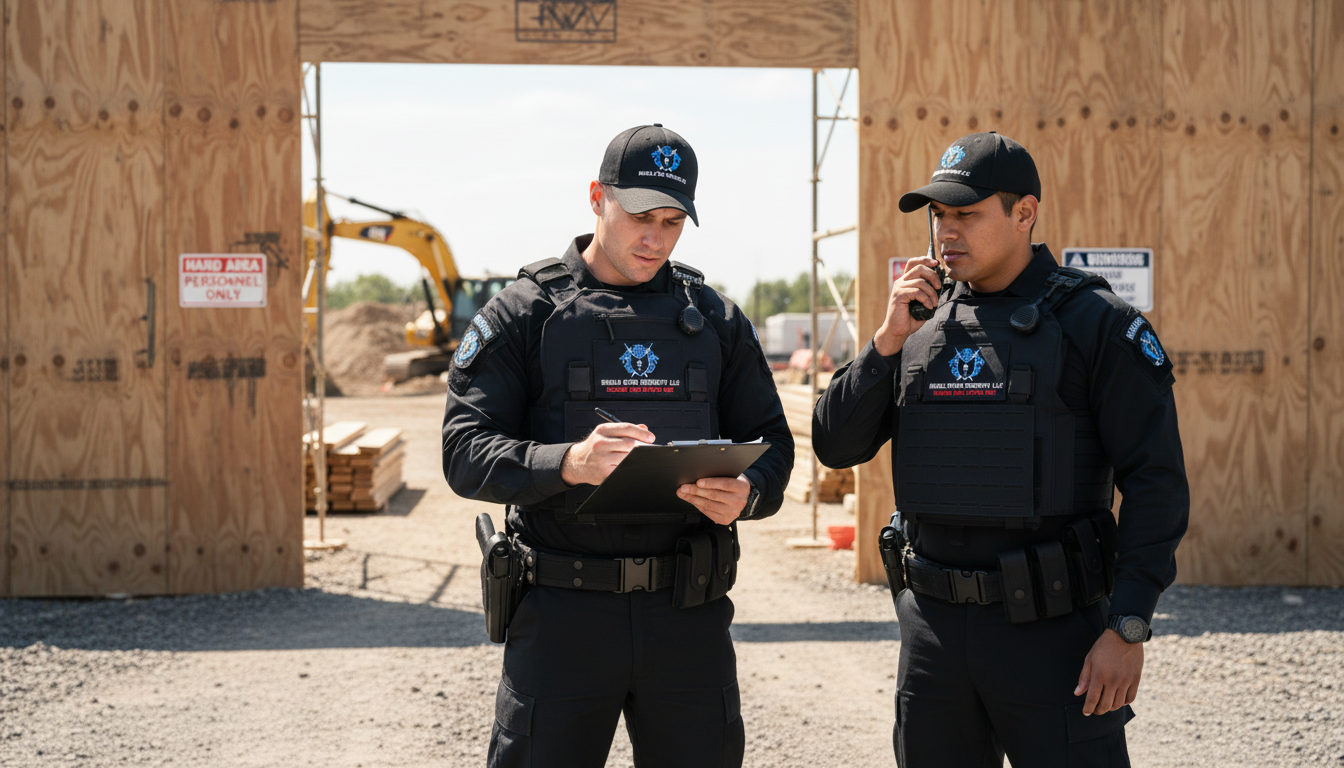
Level III commissioned officers receive additional firearms and defensive training beyond standard security licensing requirements.
Security Company Licensing Requirements
In Texas, licensing requirements apply not only to security officers but also to the security company itself.
Security companies must maintain a valid Texas Private Security Bureau company license, often referred to as a Class B Security Contractor License.
To obtain and maintain licensing, security companies must meet requirements related to:
- Company registration
- Qualified management
- Financial responsibility
- Insurance coverage
- Regulatory compliance
- Employee licensing verification
Professional security providers should also maintain appropriate liability insurance and operational procedures designed to support client safety and compliance.
At Shield Spire Security LLC, regulatory compliance, officer verification, and professional standards are treated as core operational requirements rather than administrative paperwork.
How Businesses Can Verify a Security Provider
Before signing a security services agreement, business owners should perform basic due diligence.
A simple verification checklist includes:
Verify Company Licensing
Confirm that the security company holds an active Texas security contractor license.
Verify Officer Registration
Ensure assigned officers possess the proper licensing level for the assignment.
Verify Insurance Coverage
Request proof of liability insurance and confirm coverage limits meet your requirements.
Review Operational Procedures
Ask about reporting procedures, supervision, training programs, and incident response protocols.
Request References
Established providers should be able to demonstrate prior experience within similar environments.
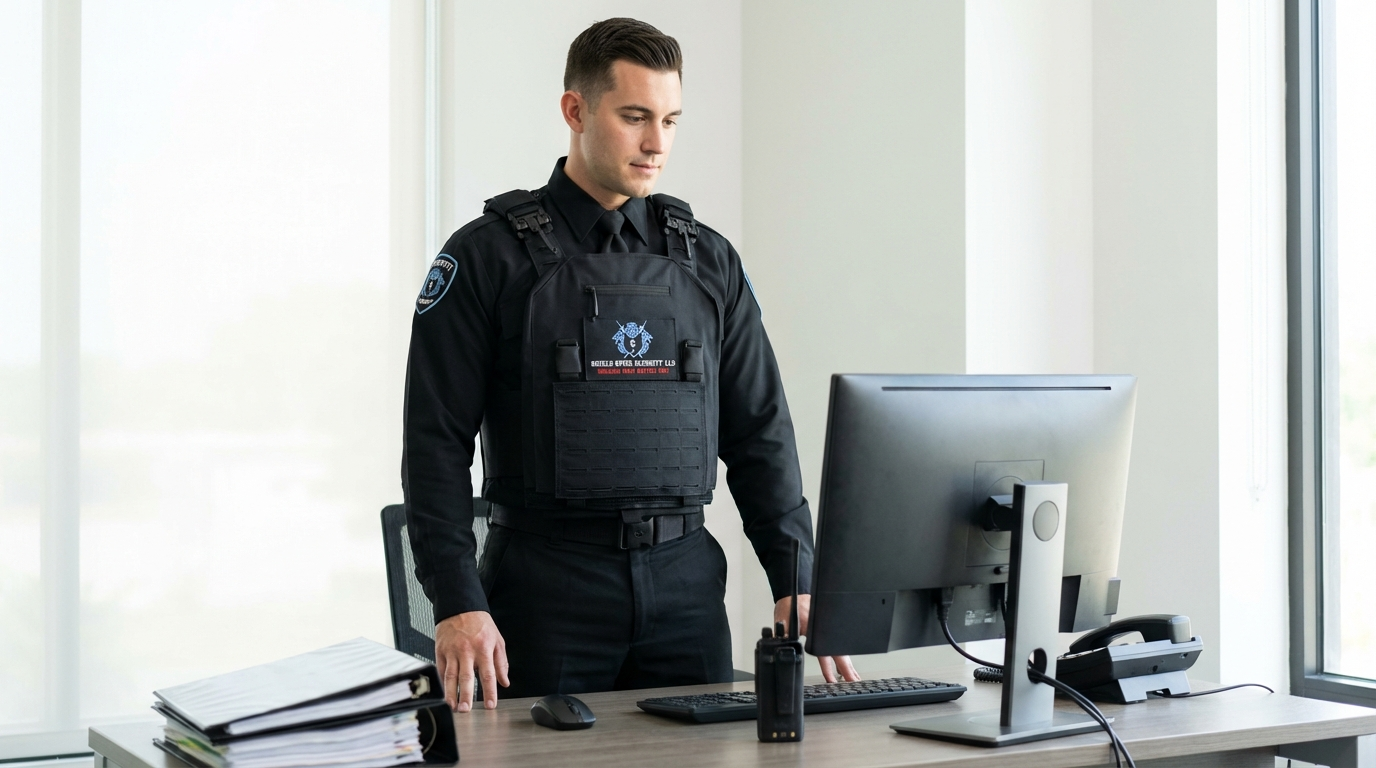
Site inspections and supervisory oversight help maintain accountability and service quality.
Common Licensing Mistakes Businesses Make
Through industry experience, several mistakes appear repeatedly across different sectors.
Hiring Solely Based on Price
The lowest bid is not always the best value. Insufficient training, poor supervision, and compliance issues can create significantly greater costs later.
Failing to Verify Licensing
Many organizations assume licensing is current without independently confirming it.
Assuming All Officers Are Armed
Different assignments require different licensing levels. Not every officer carries a firearm, nor should every assignment require one.
Ignoring Insurance Requirements
Insurance requirements should be reviewed before services begin, not after an incident occurs.
Operating Without Clear Post Orders
Written post orders establish expectations and improve consistency across shifts and personnel.
Choosing the Right Security Partner
Effective security programs require more than simply placing an officer on-site.
Businesses should evaluate providers based on:
- Licensing and compliance
- Training standards
- Communication practices
- Supervisory structure
- Incident reporting capabilities
- Technology integration
- Industry experience
A strong security provider functions as a long-term risk management partner rather than simply a staffing vendor.
Final Thoughts
Security licensing exists to protect businesses, property owners, employees, visitors, and security professionals themselves. Understanding how Texas licensing works allows organizations to make informed decisions when selecting security services.
Whether your organization requires unarmed officers, commissioned security personnel, mobile patrol services, event security, or executive protection, verifying licensing and compliance should always be one of the first steps in the selection process.
By partnering with a properly licensed and professionally managed security provider, businesses can improve safety, reduce liability, and build a stronger foundation for long-term operational security.
Key Takeaways
This article provides comprehensive insights into industry guides practices. For customized security solutions tailored to your specific needs, contact our team of experts.
Related Articles
Construction Site Theft Prevention in Texas (2026 Guide)
Construction site theft costs Texas contractors millions of dollars every year. Learn practical strategies for preventing equipment theft, material loss, vandalism, and unauthorized access on construction projects.
Read MoreHow to Verify a Texas Security Company Is Properly Licensed
Hiring a security company without verifying licensing, insurance, and compliance can expose your business to significant liability. Learn how Texas businesses can verify that a security provider is properly licensed and operating in compliance with Texas Department of Public Safety requirements.
Read MoreReady to Enhance Your Security?
Contact us today for a free consultation and quote on professional security services.