Construction Site Theft Prevention in Texas (2026 Guide)
Construction site theft costs Texas contractors millions of dollars every year. Learn practical strategies for preventing equipment theft, material loss, vandalism, and unauthorized access on construction projects.
Shield Spire Security LLC
Shield Spire Security
Construction Site Theft Prevention in Texas (2026 Guide)
Construction site theft continues to be one of the most significant challenges facing contractors, developers, and project owners across Texas. Stolen equipment, missing materials, vandalism, and unauthorized access can result in costly delays, increased expenses, and disruptions that impact project timelines.
As construction activity continues to grow throughout Texas, implementing a proactive security strategy has become essential for protecting assets, maintaining productivity, and reducing risk.
Why Construction Sites Are Frequent Targets
Construction projects often contain valuable materials, tools, fuel, and equipment that can be attractive targets for theft and vandalism. Many job sites remain unattended during evenings, weekends, and holidays, creating opportunities for unauthorized individuals to gain access.
Commonly targeted assets include:
- Copper wiring and piping
- Power tools and hand tools
- Generators and compressors
- Heavy equipment
- Fuel storage tanks
- HVAC equipment
- Lumber, steel, and building materials
Criminal activity can occur quickly, especially when security measures are limited or access points are not properly controlled.
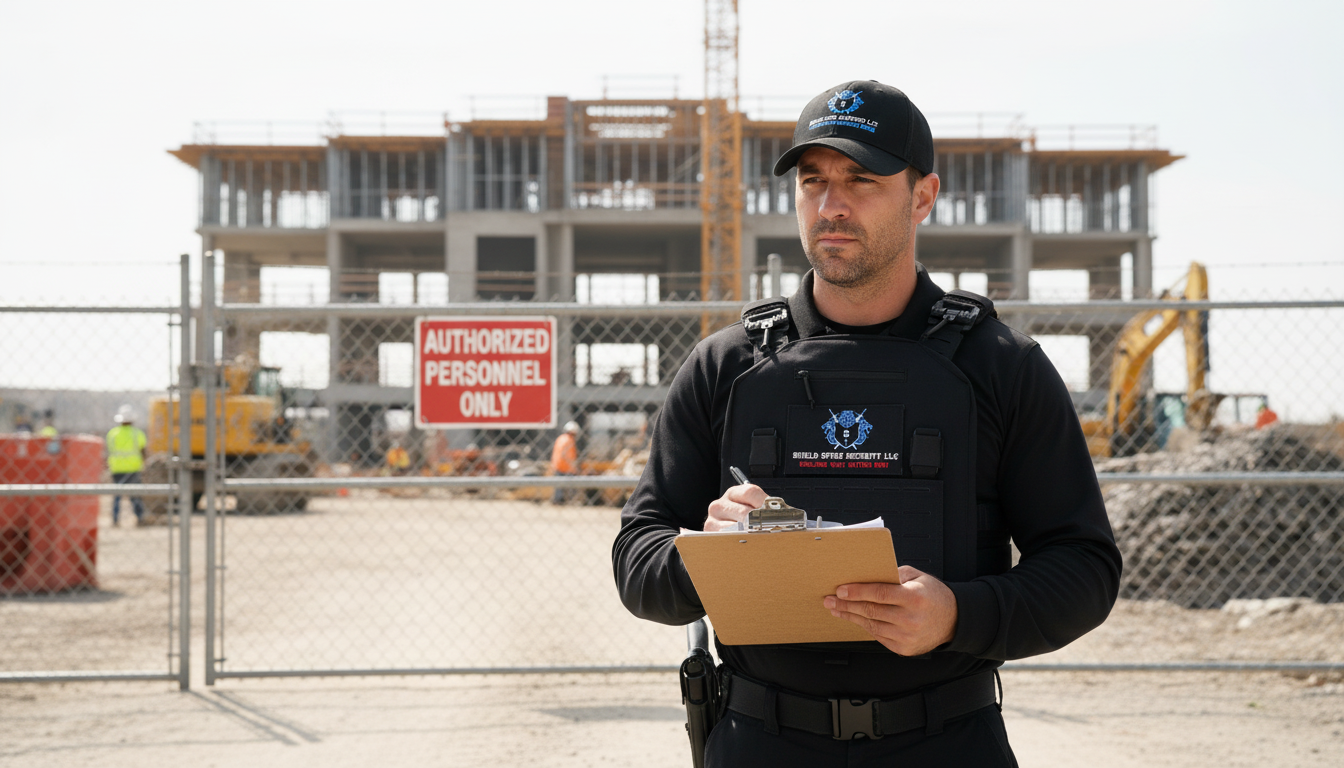
Construction sites contain valuable equipment and materials that require proactive security measures to reduce theft and vandalism.
The True Cost of Construction Site Theft
The financial impact of theft often extends well beyond the value of the stolen property.
Construction companies may also experience:
- Project delays
- Missed completion deadlines
- Additional labor costs
- Equipment rental expenses
- Insurance claims
- Schedule disruptions
- Reputational damage
Even a single incident can create setbacks that affect multiple contractors, subcontractors, and project stakeholders.
Common Security Risks on Construction Projects
Equipment Theft
Heavy machinery, trailers, generators, and specialized equipment are frequently targeted because of their high resale value.
Material Theft
Copper, steel, lumber, HVAC units, and other building materials can disappear quickly when storage areas are not properly secured.
Trespassing
Unauthorized individuals entering active construction zones can create serious safety and liability concerns.
Vandalism
Property damage, graffiti, and intentional destruction can delay project progress and increase costs.
After-Hours Activity
Many incidents occur outside normal working hours when fewer people are present on-site.

Regular security patrols provide a visible deterrent and help identify security concerns before they become costly incidents.
Effective Construction Site Security Strategies
Protecting a construction project requires a layered approach that combines personnel, procedures, and technology.
Access Control
Controlling entry and exit points helps reduce unauthorized access and improves accountability.
Examples include:
- Visitor sign-in procedures
- Locked gates
- Temporary access credentials
- Controlled delivery schedules
Security Officers
On-site security personnel can provide:
- Access control
- Site patrols
- Incident response
- Visitor management
- After-hours monitoring
Mobile Patrol Services
For many construction projects, mobile patrol services provide a cost-effective alternative to dedicated on-site coverage while maintaining a visible security presence.
https://www.shieldspiresecurity.com/construction-security
https://www.shieldspiresecurity.com/mobile-patrol
Security Lighting
Well-lit areas reduce hiding opportunities and improve visibility for both security personnel and surveillance systems.
Surveillance Systems
Security cameras can help document incidents, support investigations, and deter criminal activity.
Developing a Construction Site Security Plan
Every construction project should have a site-specific security plan that addresses:
- Site access procedures
- Equipment protection
- Material storage areas
- Visitor management
- Emergency response procedures
- Incident reporting
- After-hours monitoring
Security planning should begin before construction starts and evolve as the project progresses.

A comprehensive security strategy combines personnel, patrols, access control, lighting, and surveillance systems.
Security Considerations for Texas Contractors
Texas construction projects often face unique challenges, including:
- Large project footprints
- Multiple subcontractors
- Valuable equipment storage
- Remote job site locations
- Long project durations
A customized security strategy can help reduce risk while supporting operational efficiency throughout the life of the project.
Questions Contractors Should Ask Before Hiring Security
Before selecting a security provider, contractors should ask:
- Do you have experience protecting construction projects?
- Are your officers licensed through Texas DPS?
- Do you provide mobile patrol services?
- How are incidents documented and reported?
- Can security coverage scale as the project grows?
- Do you maintain appropriate insurance coverage?
- How do you handle after-hours emergencies?
Final Thoughts
Construction site theft, vandalism, and unauthorized access can significantly impact budgets, schedules, and overall project success. By implementing access control procedures, security patrols, surveillance systems, and site-specific security planning, contractors can reduce risk and better protect their investments.
Investing in professional construction security today can help prevent costly losses tomorrow.
About Shield Spire Security LLC
Shield Spire Security LLC provides construction site security, mobile patrol services, access control, and emergency security coverage throughout Texas. Our team works with contractors, developers, and project owners to create customized security solutions that support project success while protecting people, property, and assets.
Key Takeaways
This article provides comprehensive insights into industry guides practices. For customized security solutions tailored to your specific needs, contact our team of experts.
Related Articles
How to Verify a Texas Security Company Is Properly Licensed
Hiring a security company without verifying licensing, insurance, and compliance can expose your business to significant liability. Learn how Texas businesses can verify that a security provider is properly licensed and operating in compliance with Texas Department of Public Safety requirements.
Read MoreUnderstanding Security Guard Licensing in Texas: Complete 2026 Guide
A practical guide to Texas security guard licensing requirements, Level II, Level III, and Level IV certifications, company compliance obligations, and how businesses can verify that their security provider meets DPS regulations.
Read MoreReady to Enhance Your Security?
Contact us today for a free consultation and quote on professional security services.